
Breaking the Silence Against Injustice

Inspired by Daniel Kahneman
In March 2024, the world lost an extraordinary mind. Daniel Kahneman, the renowned psychologist, Nobel laureate, and author of "Thinking, Fast and Slow," chose to end his life at an assisted-suicide facility in Switzerland. His passing has prompted me to reflect on a profound and unsettling question: How can we, as individuals and as a society, remain passive in the face of the injustices perpetuated by our own government.

Kahneman's work delves deep into the human psyche, revealing that we are neither purely rational nor irrational. Instead, we are wonderfully and frustratingly human--driven by emotions, inconsistencies, and self-deception. His insights challenge us to examine how we respond--or fail to respond--to the illegal incarceration of our loved ones under the pretense of drug law enforcement. How can we turn a blind eye to the suffering of those unjustly imprisoned without any credible evidence that they were aware of the legality of the substances in question? This dissonance is irrational, yet it persists, much like a cognitive illusion.
Kahneman argued that individuals often deceive themselves. He once remarked, "Self-delusion helps sustain most people." This concept is particularly poignant when we consider the absurdity of governmental charges that suggest individuals conspire to know something illegal. It goes against the very nature of understanding; knowledge cannot be a commodity agreed upon in advance. For decades, this nonsensical allegation has eroded the fabric of our justice system, and the lack of public outrage is bewildering.
An illusion manifests when false thoughts take root in our minds--like the misguided notion that defendants can knowingly engaged in the impossible activity of conspiring to know that they will be dealing with an illegal substance. This belief is as logical as claiming an individual can foresee the future without any powers of prophecy. Kahneman highlighted how cognitive illusions are often more stubborn than visual ones. For instance, the Muller-Lyer illusion shows how our perceptions can deceive us, leading us to misjudge lengths based on visual cues. Yet, unlike optical illusions, cognitive illusions can lead us to accept intellectually flawed narratives without challenging our emotional response or behaviors.
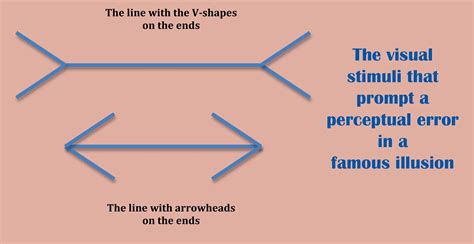
[We all see the same thing - the two horizontal lines look different in length, but they are equal in length]
So why do we remain silent as people suffer from these injustices?
The answer often lies in the very stories we tell ourselves. We justify our inaction with flawed conclusions--"They must have known it was illegal," "There's a legal nuance we haven't considered," or "It's their fault for associating with drug dealers." These narratives, rooted in self-deception, slowly morph into acceptance of ongoing injustice, allowing us to distance ourselves from uncomfortable truths.
What's even more alarming is that the oppressors understand ours psychology intimately. They know we will rally against visible atrocities like police violence, yet remain apathetic towards the slow, devastating deaths of individuals serving illegal life sentences. The systematic cruelty masked as legality is a tragedy that unfolds quietly, demanding our attention and action.
So, what can we do? Let us take a page from Kahneman's teachings on decision-making. We must reevaluate our strategies: rely on data rather than blind intuition, broaden our perspectives, and above all, confront the uncomfortable narrative that keeps us inactive. We must imagine ourselves in the shoes of those wrongfully imprisoned. What would we hope others would do if it were our loved ones suffering in silence? This is the reason why we started the Manumit Me Petition, in the hope to move people to action.
Kahneman once said, "Most people hate changing their mind, but I like changing my mind. It means I've learned something." It's time for all of us to learn. We must transcend our passive acceptance of injustice and stand for our fellow citizens--our friends, family, and community members-- who are suffering due to policies that vilify them without just cause.
The time for change is now. Let us cultivate a collective awareness that inspires action against the illegal incarceration of our loved ones. Together, we can dismantle the narratives that perpetuate injustice and ensure that our voices are heard, our hearts are open, and our actions are bold. The legacy of Daniel Kahneman compels us not just to think, but to act--let's transform our thoughts into powerful movements for justice.

Comments